Micro Wedding Checklist for a Perfect Ceremony
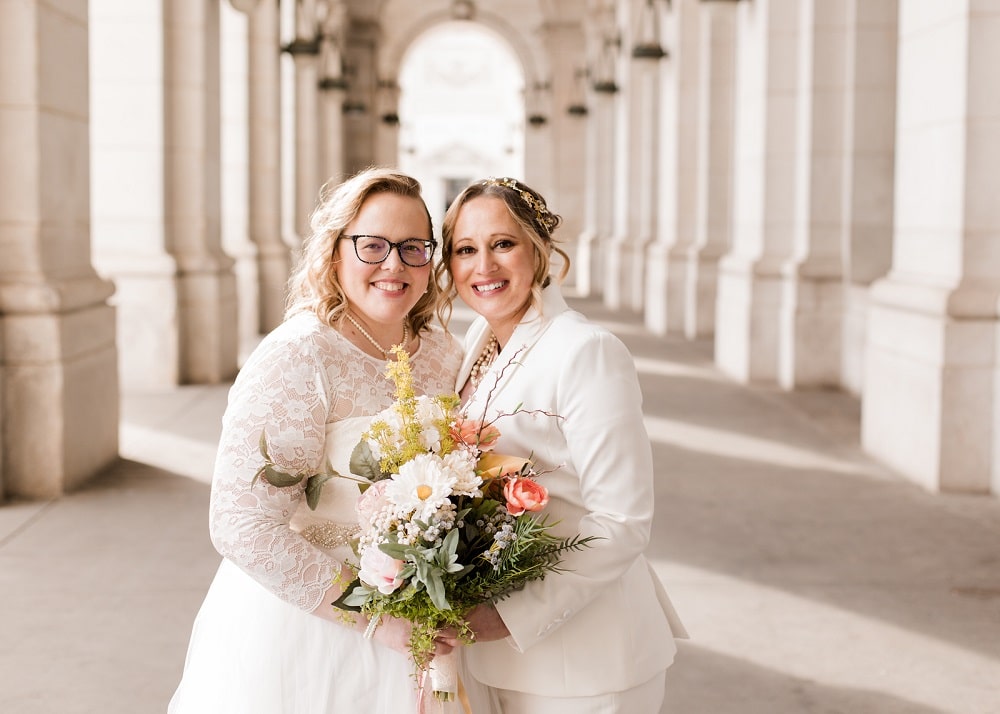
Micro-weddings strip away the unnecessary, so you can focus on what really matters: your people, your vibe, and your story. They might be small, but they don’t skimp on style or meaning. Ready to learn how to plan one? Let’s dive in.
So, What Is a Micro-Wedding?
A micro-wedding is a smaller, more intimate celebration of a traditional wedding, typically with 10 to 50 guests. But don’t let the word “micro” fool you. These weddings can pack a serious punch when it comes to style, meaning, and creativity. Read more about the difference between a micro-wedding and traditional wedding.
It’s about curating an experience that feels authentic, personal, and, dare we say, refreshingly manageable. You’re still getting married, just with fewer name cards.
But knowing a concept is one thing. Knowing how to plan it? That’s a whole other thing. That’s where we come in.
Our definitive micro-wedding checklist is a guide to help you get through it step-by-step, thoughtfully, and without the guesswork. So, take a breath. We got you.
Planning Begins with Some Imagination
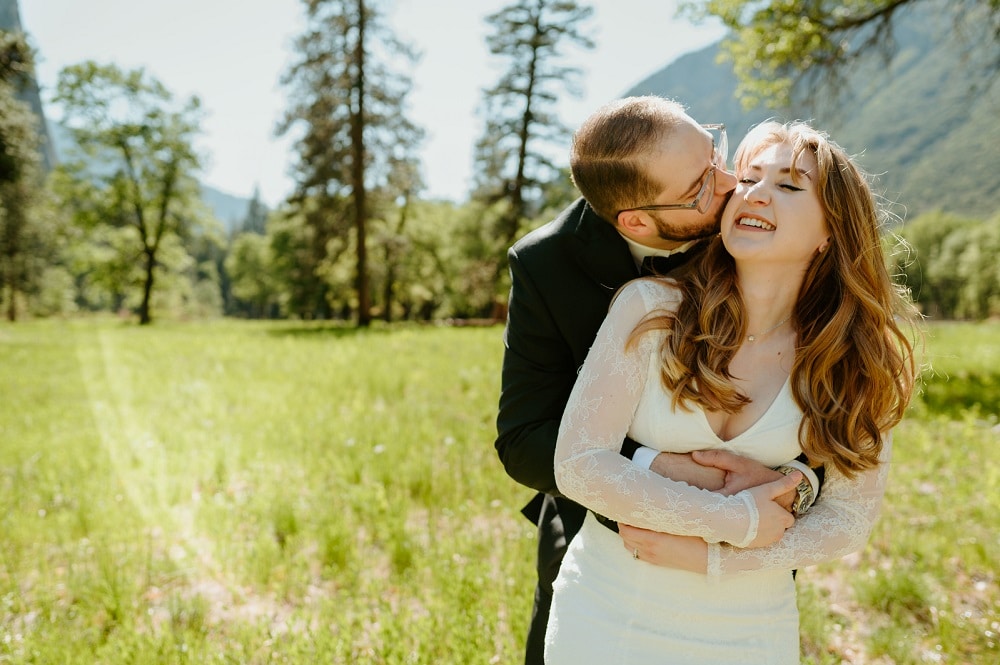
Before you start planning or spreadsheets start multiplying, give yourself space to dream a little. What do you actually want this day to feel like? Picture the setting, the people, the vibe of your intimate wedding day.
Forget what’s “expected” and start listing what matters most to you.
This stage is about curiosity, not commitment. Grab a notebook, pour something strong or sparkling, and let your ideas get messy. You can sort them later.
Where the Money Goes, the Meaning Flows
In the words of JLo, ‘Love don’t cost a thing.’ Yet the national average for a micro-wedding is $10,777.56, which is farrrr lighter than the $30,000 usually spent on a full-size celebration.
When it comes to your micro-wedding budget, the best place to begin is with a number you’re genuinely comfortable spending. Not aspirational. Not crowd-sourced from the internet. Just real.
From there, it’s about stacking your priorities.
Dreaming of a wedding vendor at a remote location with killer views? That’s going to shape the rest.
Want to splurge on food but skip the full bar? Go for it. With fewer guests, you can afford to zoom in on the details that feel personal and meaningful, without getting swallowed by scale.
Be transparent with your partner about what matters most, then divvy things up accordingly. And don’t be afraid of spreadsheets. They’re not glamorous, but they’re powerful. Track your choices, check your balance, and leave space for the unexpected.

The Whens and the Wheres
Choosing a date and venue for your micro-wedding isn’t about locking yourself into what’s “standard.” It’s about asking, “What actually fits our lives?” Start with the season that feels right for your story. Maybe you love crisp autumn air or the quiet magic of winter.
From there, look at your calendars, not just for convenience, but for context.
Are there meaningful dates? Travel-heavy work periods to avoid?
Once you’ve narrowed down the when, think about the where. Micro-weddings venues open up more flexible spaces, think private homes, restaurants, galleries, or offbeat locations that wouldn’t work for 150 guests but are perfect for 20. Availability will likely shape your date, and that’s okay.
Let the venue and date work together to support the atmosphere you’re creating.
Don’t just book what’s available. Choose what feels aligned. You’re not just finding a place and time. You’re setting the tone for everything that follows.

Invite With Intention, Not Obligation
When you’re planning your special day, the guest list is where it gets real. With a limited number of seats, you’re essentially choosing your front row, the people who will witness one of your most personal, pivotal moments.
So, how do you decide who makes the cut?
Start with your inner circle. Not just by title or family tree, but by impact.
Who’s been part of your relationship story?
Who do you feel excited to share this experience with?
From there, work outward, but don’t be afraid to stop before the guest count gets too crowded. Micro-weddings are intimate celebrations. They thrive on connection, not formality or guilt. It’s okay if that means not inviting coworkers, old roommates, or extended cousins (Sorry, third cousin Greg.) Every guest is part of the atmosphere, so invite the people who make you feel at ease, not on edge.
Give Them Time to Show Up
Now that you have your date and location, it’s time to send the invitations. Even if your guest list is short, a save-the-date still earns its place.
You’re inviting people who matter, which means giving them a heads-up is more than polite. It’s practical.
Four to six months in advance usually does the trick, especially if there’s any travel involved. This isn’t about building hype or locking in your spot on someone’s fridge.
It’s about clarity. You’re giving people time to plan, take off work, and book what they need without scrambling.
You can send them digitally, print them simply, or even hand-deliver them if that feels right. The format isn’t the point. The message is: we want you there, and we’re giving you time to get there.
Micro-Wedding Menus
When it comes to food for your micro-wedding, you have more freedom than most couples think… and that’s a good thing. With fewer guests, you’re not stuck choosing between chicken or beef from a pre-set menu.
You can focus on what actually excites you.
Want a multi-course tasting menu? Go for it.
Prefer a casual family-style meal at long tables? Even better.
You could work with your favorite local restaurant, hire a private chef, or build your menu around seasonal ingredients. A food truck can also be a great fit, especially if you’re hosting outdoors or want to keep the vibe relaxed and interactive.
The point is: your food should reflect your tastes, not just fill plates. With fewer mouths to feed, you can make thoughtful choices, accommodate dietary needs more easily, and create an experience that feels personal from the first bite to the last crumb.
Drinks at a micro-wedding are kind of a choose-your-own-adventure situation.
Want a craft bartender mixing signature cocktails all night with fresh herbs and house-made syrups? Go for it.
Want to keep it simple with chilled bottles of wine, a couple of local beers, and maybe a premixed pitcher of your favorite cocktail? That works too.
Smaller guest counts mean you don’t need to overdo it to make it feel generous. If you’re going all out, great—just be clear about what’s available, and make it easy for guests to enjoy. If you’re scaling it back, that’s also a strong move. A signature cocktail or two adds personality, even if you’re skipping a full open bar. You’re not setting up a nightclub. You’re offering people a way to toast, relax, and connect.
Style the Day Your Way
The first rule of a micro-wedding wardrobe is: there are no rules.
The second rule of a micro-wedding wardrobe is: there are no rules.
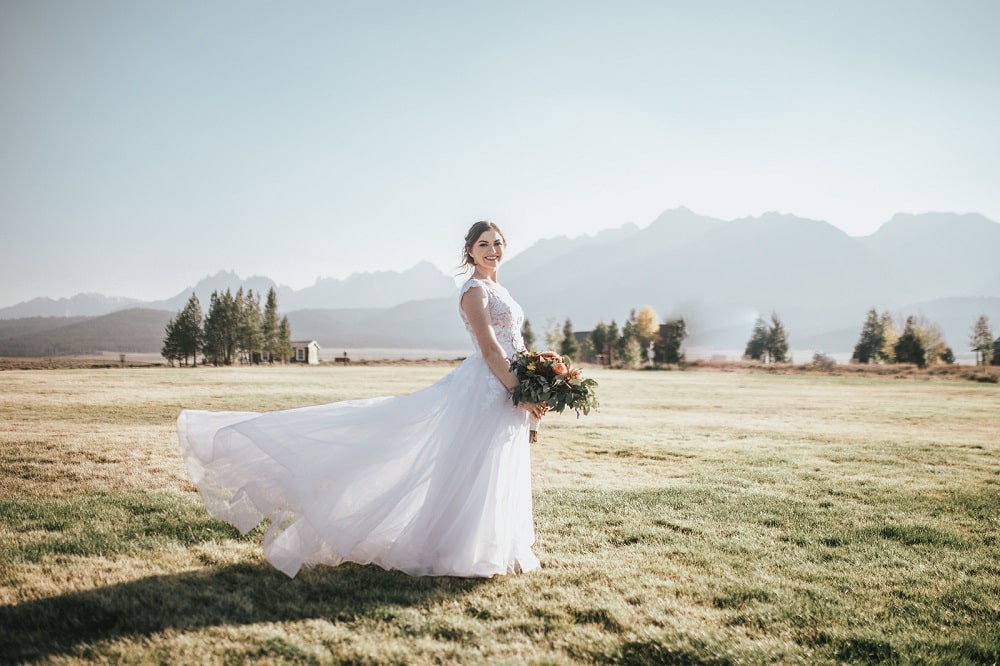
You don’t need to wear a white wedding dress, a black suit, or anything that makes you feel like you’re playing a role. The beauty of a smaller wedding is that it opens the door to personal expression without pressure.
If you want to wear a formal outfit because it feels good, do it.
Want to wear something borrowed, something blue, something old, something new? Even better.
What you wear should match your environment, your comfort level, and your personality. Whether it’s a designer jumpsuit, a linen shirt you already own, or a custom suit in a color that’s not trying to blend in, the point is to feel like yourself, just maybe a little more polished or playful than usual. There’s no gold star for tradition.
Find the Perfect Vendors
Let’s talk vendors. Even with a micro-wedding, the list can stack up fast—photographers and videographers and officiants and entertainment, sound setups, hair and makeup artists, florals, and decor. Oh my!
It’s not a massive production, but it’s still a lot of moving parts. If you’re not into spreadsheets and comparing vendor contracts in your free time, you’re not alone. This is where working with a micro- wedding planner or events expert comes in (cough, cough). They’ve been there. Done that. And remembered to bring the tissues.
They also know who’s good, what’s realistic, and how to avoid common planning headaches. More importantly, they know how to keep your day feeling personal without it turning into a part-time job. Whether you want help from start to finish or just someone to bring it all together at the end, a coordinator can help you stay focused on the why, not just the who, what, and when.
If this checklist has your wheels turning but your stress creeping in, we get it. That’s why we’re here. At Simply Eloped, we’ve planned thousands of micro-weddings that are simple, meaningful, and tailored to each couple.
From coastal cliffs to tucked-away forests, we’ve rounded up some of the most scenic places to say your vows. Explore our favorite micro-wedding destinations, then let our all-inclusive elopement packages take it from there.
Sources:
Nipp, Rachel. “The Cost of a Micro Wedding in Major U.S. Cities.” Https://Www.Shaneco.Com/Theloupe/Articles-and-news/Micro-wedding-costs-by-city/, 8 Aug. 2023, www.shaneco.com/theloupe/articles-and-news/micro-wedding-costs-by-city/. Accessed 3 Jul. 2025

Related Posts
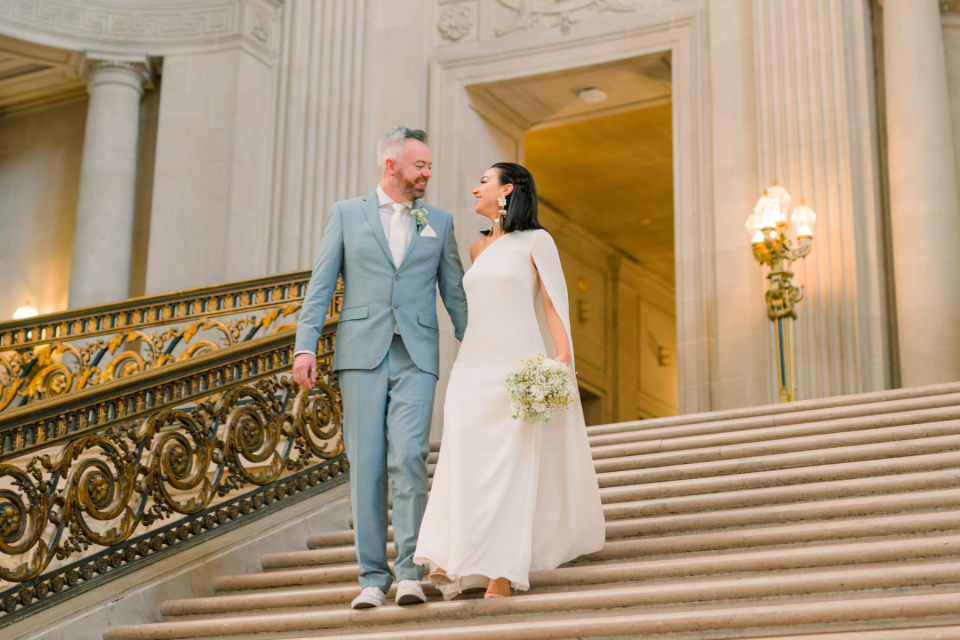
San Francisco City Hall Weddings 101
Read ArticleRelated
Posts

Thinking About Eloping? We’ve Got Your Answers.
Read Article