How to Elope: Your Step-by-Step Elopement Playbook

Eloping today is less about “running away” and more about intentionally creating a wedding experience that reflects your relationship, priorities, and personality. Modern elopements can include travel, adventure, close family, stunning destinations, or simply a stress-free way to get married without the pressure of a traditional wedding.
This guide walks through the exact steps to plan an elopement, including choosing a location, setting a budget, understanding permits and marriage licenses, building your vendor team, and creating a meaningful celebration.
Modern elopements look very different from the outdated idea of secretly “running away” to get married.
Related: What Is an Elopement?
Whether you’re planning a private mountain ceremony, a destination beach elopement, or a small gathering with loved ones, the Simply Eloped Framework helps couples simplify decisions around vision, location, logistics, and celebration.
Key Takeaways
- Elopements still require planning, especially around permits, timelines, and travel logistics
- Guest count, season, and location all impact budget and planning timelines
- Modern elopements can include guests, activities, receptions, and multi-day experiences
- National parks and destination locations often require permits or advance reservations
- The Simply Eloped Framework helps couples simplify decisions while creating a meaningful experience
Step 1: Define Your Elopement Vision
Before researching locations or vendors, start with the bigger picture: what kind of experience do you actually want?
Your vision shapes nearly every planning decision that follows, from guest count and budget to location accessibility and timeline expectations.
What Should Your Elopement Feel Like?
Before choosing a location, vendors, or even a date, take some time to think about the experience you want to create. One of the biggest advantages of an elopement is the freedom to design a day around your relationship rather than around expectations or traditions.
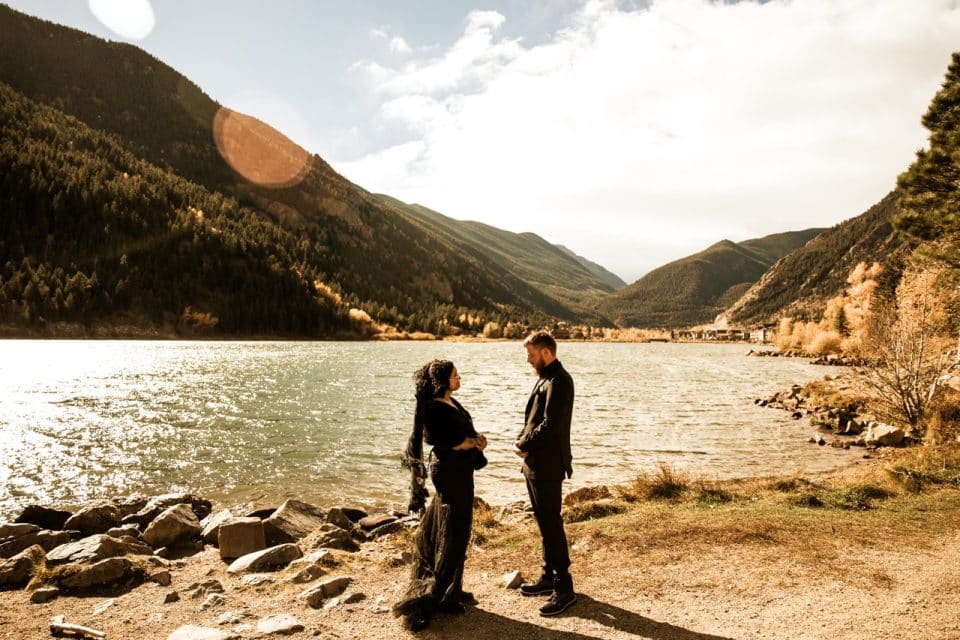
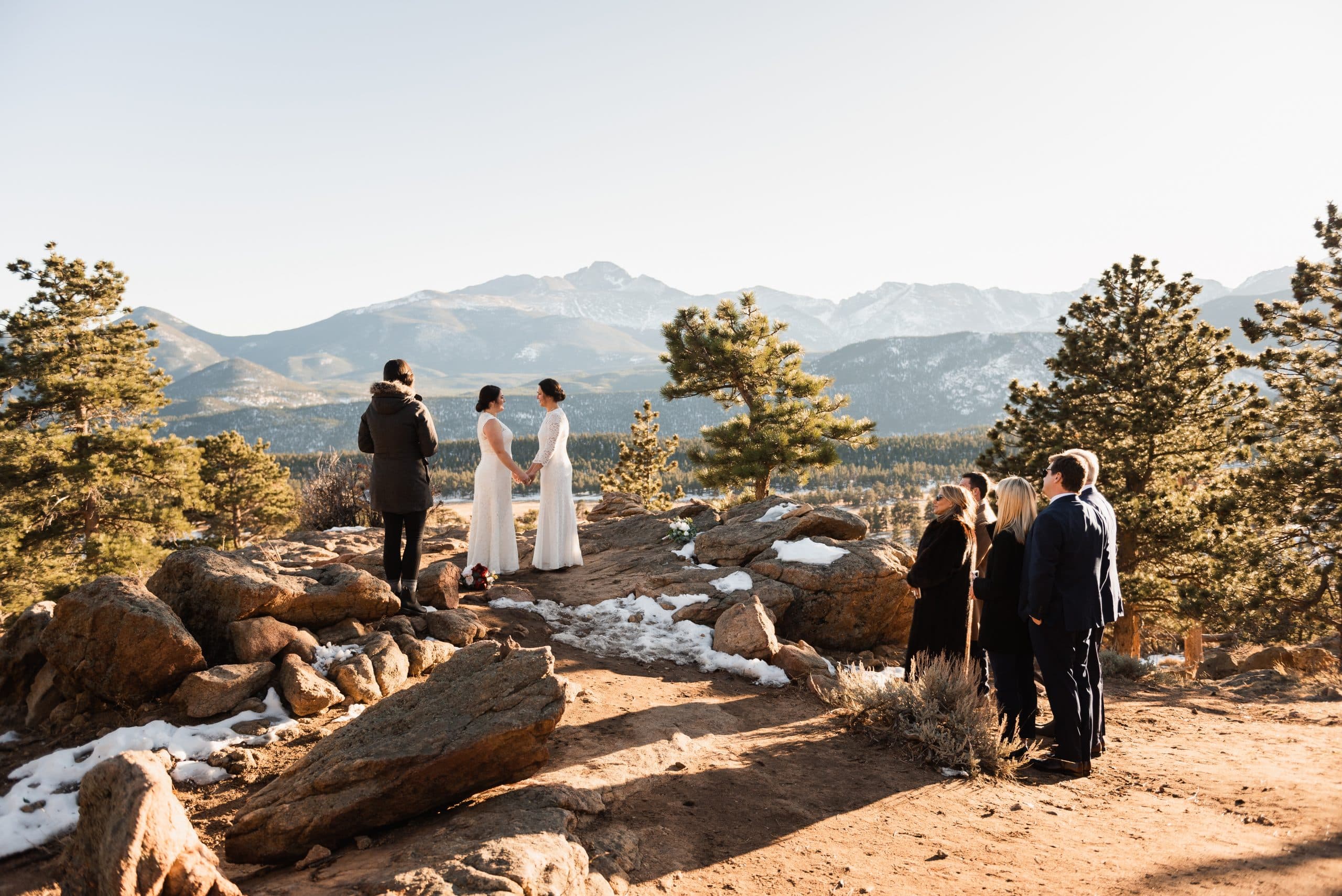
For some couples, that means exchanging private vows on a mountaintop at sunrise. For others, it might look like gathering immediate family for a beach ceremony followed by dinner, or spending an entire weekend exploring a destination together. There is no single “right” way to elope. The goal is to create an experience that feels authentic to you.
As you start defining your vision, consider:
- Do you want something adventurous or relaxed?
- Do you picture mountains, beaches, forests, deserts, or a city backdrop?
- Is privacy important?
- Do you want a full wedding-day timeline or a simpler ceremony?
- Do you want guests present?
A clear vision makes every planning decision easier, from choosing a destination to setting a realistic budget.
Decide on Guest Count Early
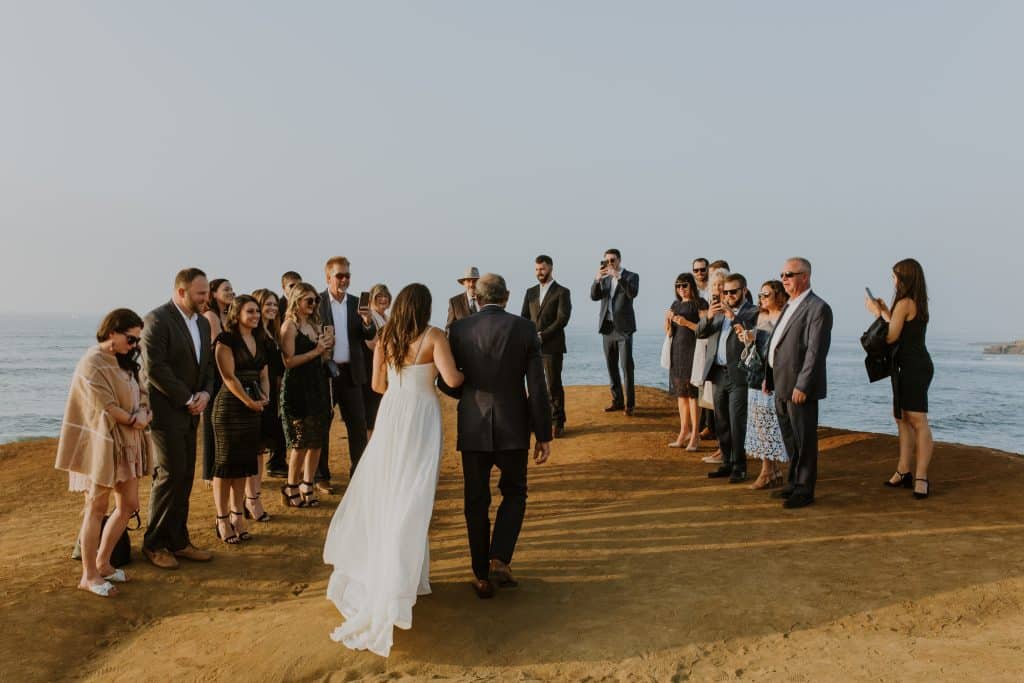
One of the first practical decisions you’ll make is whether your elopement will be just the two of you or include guests. While guest count may seem like a small detail, it influences nearly every aspect of the planning process.
The number of people attending can affect where you’re able to get married, what permits may be required, how much you’ll spend, and how far in advance you’ll need to plan. A couple-only ceremony offers the greatest flexibility, while guest-inclusive elopements often require additional coordination.
Guest count affects:
- location flexibility
- permit requirements
- budget
- lodging
- accessibility
- transportation
- restaurant and reception options
Many modern elopements include:
- just the couple
- immediate family
- a few close friends
- children or pets
Step 2: Set a Realistic Elopement Budget
One of the biggest misconceptions about elopements is that they are always inexpensive. While many couples spend less than they would on a traditional wedding, elopement budgets vary significantly depending on the experience being created.
A simple local ceremony for two will have very different costs than a destination elopement that includes travel, lodging, guests, activities, and multiple vendors. Rather than focusing solely on a total budget number, think about which elements matter most to you and prioritize accordingly.
Common elopement expenses include:
- Photography
- Officiant services
- Travel and lodging
- Marriage license
- Permits
- Attire
- Flowers
- Hair and makeup
- Meals or celebrations
Related: How Much Does It Cost to Elope?
Take the Simply Eloped Quiz
If you’re still narrowing down your vision, our elopement quiz can help identify:
- ideal locations
- guest-friendly options
- experience style
- budget alignment
- destination recommendations

Step 3: Choose the Right Elopement Location
Your location does more than provide a backdrop for your ceremony. It influences your overall experience, guest logistics, budget, permit requirements, and the type of memories you’ll create.
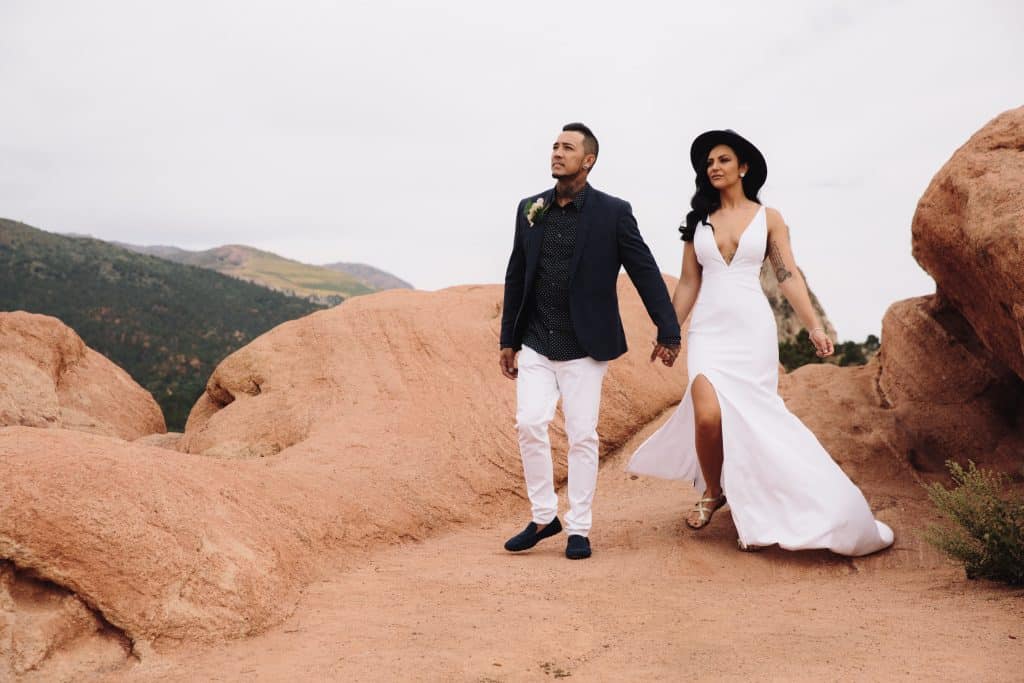
Some couples choose a destination that holds personal significance, while others prioritize scenery, adventure, privacy, or accessibility. There is no perfect location for every couple, the best choice is the one that aligns with your vision for the day.
Popular Types of Elopement Locations
Modern elopements can happen almost anywhere, including:
- national parks
- beaches
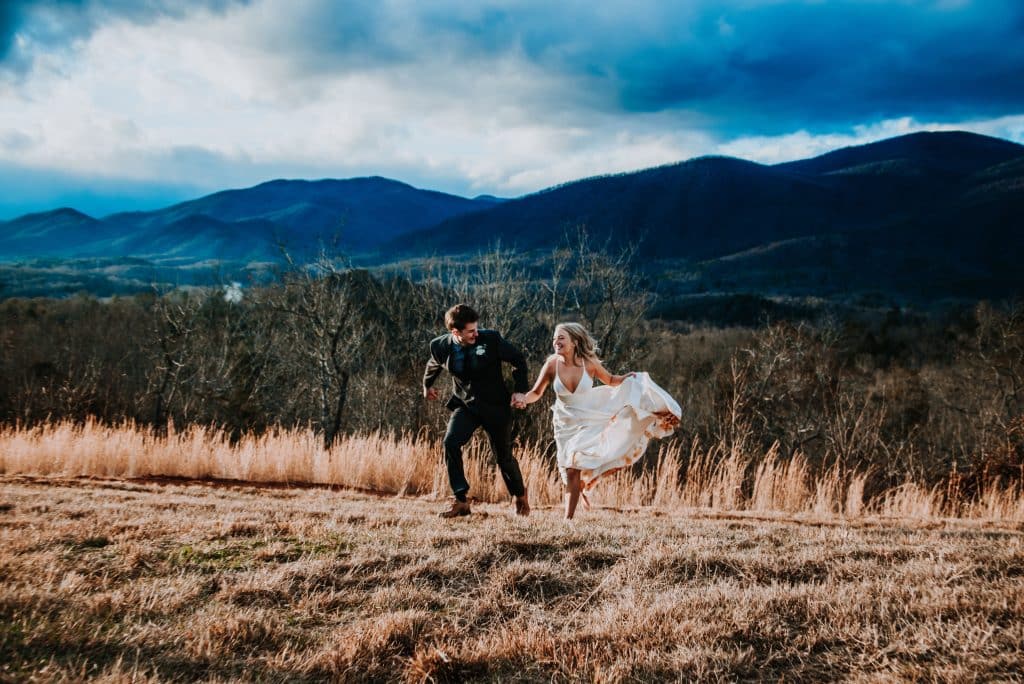
- mountain overlooks
- forests
- deserts
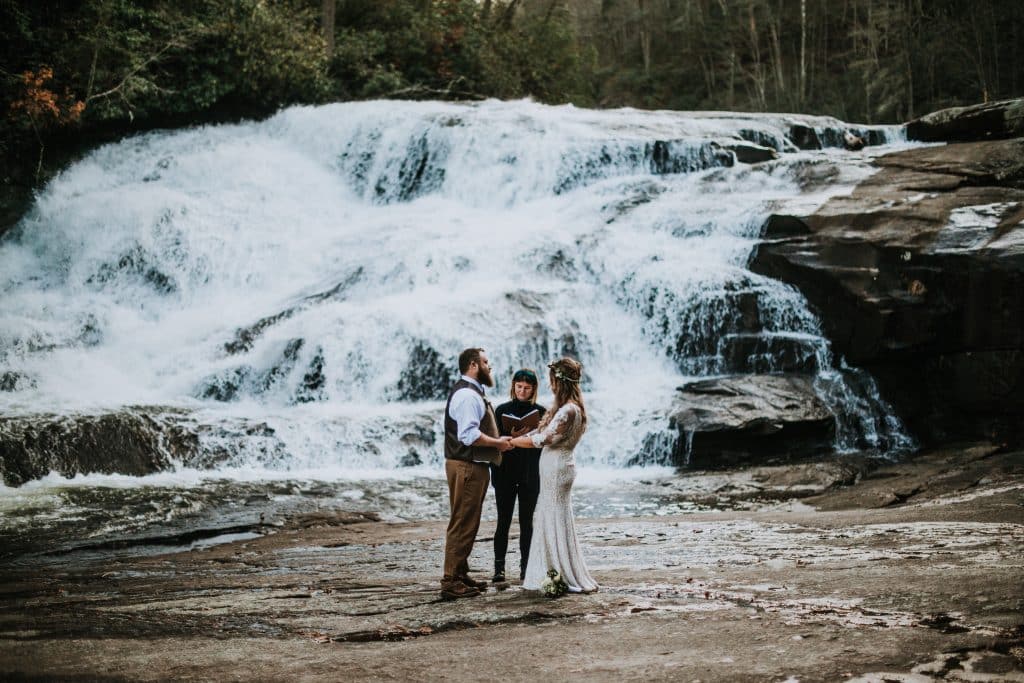
- waterfalls
- urban rooftops
- courthouses
- private venues
- Airbnb properties
One of the most important location decisions is determining how accessible you want your ceremony location to be and whether the setting supports the overall experience you want to create.
Use Location Guides and Venue Finders
Explore our:
Step 4: Build Your Vendor Team
Most couples hire at least:
- a photographer
- an officiant
Additional vendors may include:
- videographers
- florists
- hair and makeup artists
- planners
- musicians
- private chefs
Choosing the Right Vendors
Look for vendors whose:
- communication style
- personality
- visual style
- experience level
- location expertise
align with your vision.
The right vendor team does more than provide services, they help shape the overall experience and can offer valuable guidance throughout the planning process.
Related:
- Guide to Your Personal Elopement Specialist at Simply Eloped
- Find Your Elopement Photographer at Simply Eloped
- What Your Officiant Can Do for You at Simply Eloped
- Plan Your Elopement Videography with Simply Eloped
- Your Simply Eloped Hair and Makeup Artist
Step 5: Handle the Logistics
While logistics may not be the most exciting part of planning an elopement, they are often what determine whether your day feels smooth and stress-free.
Fortunately, most logistical decisions become much easier once you’ve established your vision, location, guest count, and timeline. At this stage, the focus shifts from dreaming about the day to making sure everything comes together seamlessly.
Elopement logistics typically include:
- Marriage licenses
- Permits
- Vendor coordination
- Timelines
- Travel planning
Marriage Licenses and Legal Requirements
Marriage license requirements vary by state, county, and country. Some locations require waiting periods or in-person applications, while others have relatively simple processes.
Because legal requirements vary significantly by location, it’s important to research them early in the planning process.
Related: Marriage License Requirements for Elopements
Permits for National Parks and Public Lands
Many public lands require advance approval for wedding ceremonies.
Because permit requirements vary significantly by location, it’s important to research them early in the planning process.
How Far in Advance Should You Plan an Elopement?
One of the biggest misconceptions about elopements is that they’re spontaneous.
Modern elopements are typically planned experiences, not last-minute decisions. Popular destinations, guest-inclusive celebrations, and peak-season dates often require additional planning time.
Travel and Lodging Logistics
Destination elopements may require coordination around:
- flights
- rental cars
- lodging
- guest accommodations
- transportation timing
Some couples also plan:
- welcome dinners
- post-elopement receptions
- group activities
Related: Destination Elopement Planning Guide
Step 6: Celebrate Your Way
One of the biggest benefits of eloping is the freedom to celebrate in a way that feels authentic to you. Unlike traditional weddings, there is no prescribed timeline, guest count, or set of traditions you have to follow.
Your elopement can be as simple or as elaborate as you want it to be.
Choose Outfits That Match the Experience
Your attire should support the experience you’re creating, not just look beautiful in photos. Consider how your location, weather, and activities may impact what you’ll wear throughout the day.
The best elopement outfits balance style, comfort, and practicality.
Related: What Should You Wear to an Elopement?
Decide How You Want to Share the News
There is no single right way to tell friends and family about your elopement. Some couples choose to keep their plans private until after the ceremony, while others share their plans in advance or invite a small group of loved ones to attend.
Related: How to Tell Your Family You’re Eloping
Continue the Celebration After Your Ceremony
For many couples, the ceremony is only one part of the experience.
Modern elopements often include additional ways to celebrate, whether that’s immediately afterward or weeks later.
Some popular options include:
- A private dinner or chef-prepared meal
- A casual reception with friends and family
- A weekend getaway or honeymoon experience
- A family gathering after returning home
- Sharing professional photos and videos with loved ones
Remember What Matters Most
One of the biggest misconceptions about eloping is that it means giving something up. In reality, many couples choose to elope because it allows them to focus more fully on what matters most: their relationship, their experience, and the commitment they’re making to one another.
Modern elopements are flexible enough to include adventure, family, travel, tradition, or privacy. There is no single right way to celebrate, only the way that feels right for you.
Frequently Asked Questions About Eloping
How far in advance should you plan an elopement?
Most couples begin planning at least three months in advance. According to Simply Eloped data from more than 23,000 leads and bookings, nearly two-thirds of couples start planning more than 90 days before their ceremony, while over one-quarter begin planning six months to a year in advance.
Can you invite guests to an elopement?
Yes. Modern elopements can include guests, although many couples keep the group intentionally small.
Are elopements cheaper than traditional weddings?
Often, yes, but not always. Costs vary based on travel, guest count, destination, and overall experience.
Do you need a permit to elope in a national park?
Most national parks require a special use permit for wedding ceremonies, although requirements vary by location.
Can you legally elope in another state?
Yes. Most couples can legally marry in another state as long as they follow local marriage license requirements.
Elopement Guides by Location
- How to Elope in Arizona
- How to Elope in California
- How to Elope in Colorado
- How to Elope in Florida
- How to Elope in Georgia
- How to Elope in Hawaii
- How to Elope in Idaho
- How to Elope in Illinois
- How to Elope in Louisiana
- How to Elope in Michigan
- How to Elope in Nevada
- How to Elope in New York
- How to Elope in North Carolina
- How to Elope in Ohio
- How to Elope in Oregon
- How to Elope in South Carolina
- How to Elope in Tennessee
- How to Elope in Texas
- How to Elope in Washington DC
- How to Elope in Washington
Eloping is not about skipping a wedding. It’s about intentionally designing one.
Whether your ideal day involves hiking through a national park, exchanging vows on a beach at sunset, or celebrating quietly with your closest people, modern elopements give couples the flexibility to create a wedding experience that reflects who they are.
The Simply Eloped Framework helps couples simplify decisions around vision, location, logistics, and celebration so they can focus less on stress and more on the experience itself.
If you’re ready to start planning, explore our location guides, take the Simply Eloped quiz, or connect with our team to begin building your dream elopement.

Related Posts
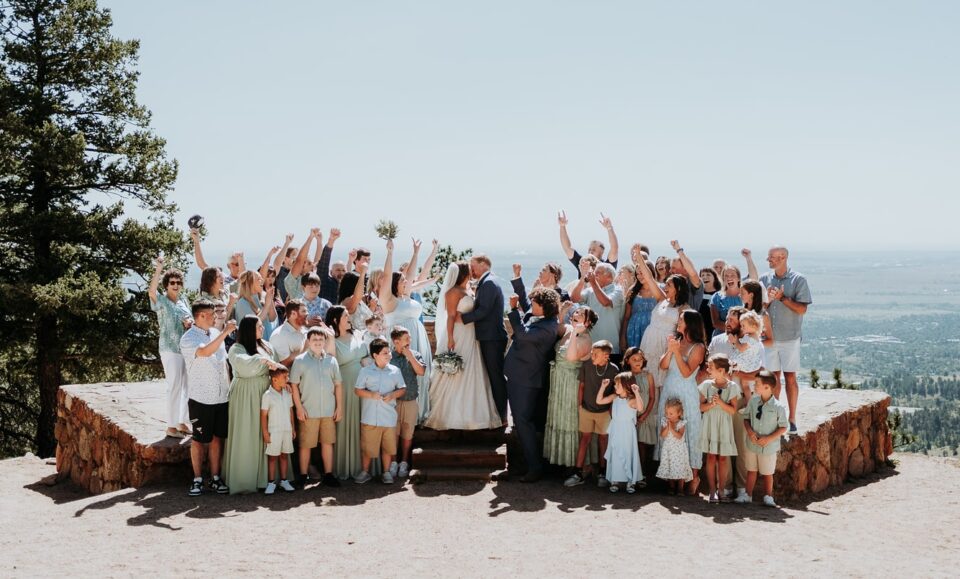
Elopement Vs. Micro Wedding: Choose Your Fighter
Read ArticleRelated
Posts
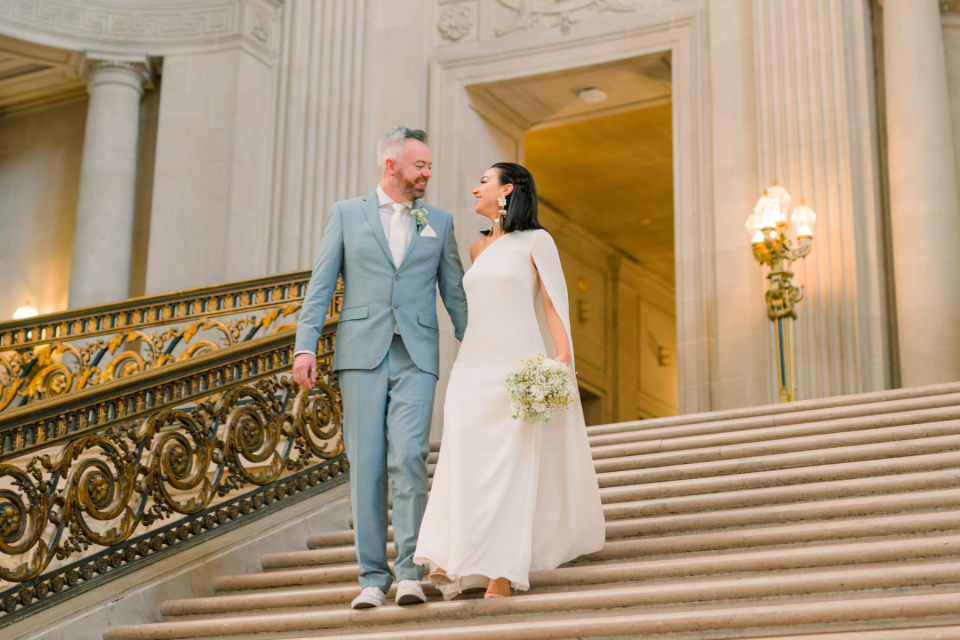
San Francisco City Hall Weddings 101
Read Article